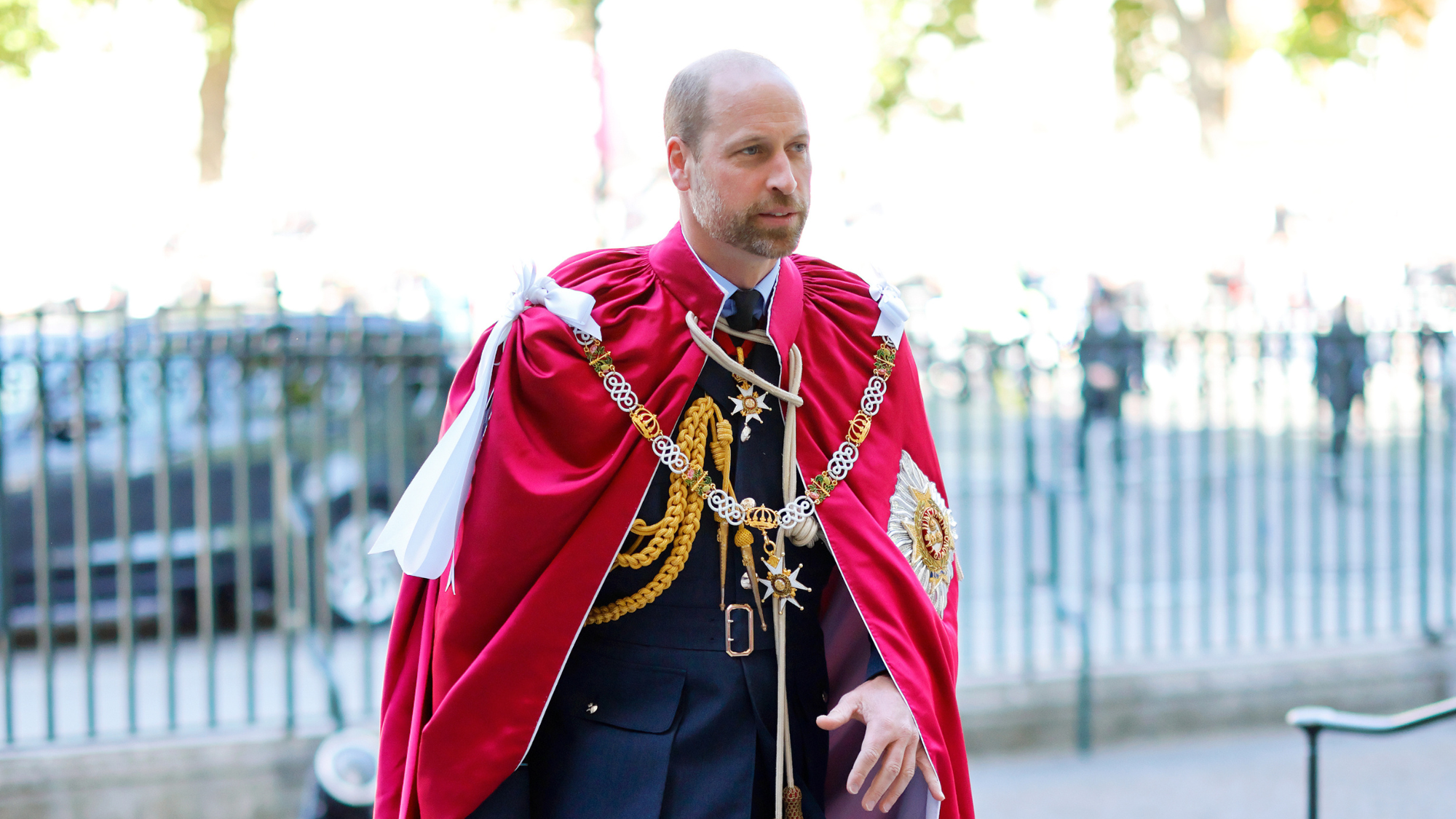
The future of the British monarchy is quietly being reshaped, and at the center of this transformation stands Prince William, the Prince of Wales. Far from waiting patiently for his eventual ascension, William is orchestrating a bold, pragmatic vision for his reign—one that could redefine centuries of royal tradition. With King Charles III’s health challenges increasingly coming into the public eye, the heir apparent is preparing to step in at a moment’s notice, ensuring the monarchy is ready for a seamless transition.
Central to this plan is a major shift in the royal family’s domestic life. Kensington Palace, the longtime home of William and Catherine, will soon be left behind as the couple, alongside their three children—Prince George, Princess Charlotte, and Prince Louis—relocate to Forest Lodge within the serene expanse of Windsor Great Park. Sources close to the family reveal this move has been long considered and meticulously tested, focusing on privacy, space, and a stable, nurturing environment for their children away from the relentless gaze of the media.
Yet this seemingly private choice carries profound implications for the monarchy itself. Royal commentator Rebecca English has revealed a startling detail: William may never reside in Buckingham Palace as king. This breaks with centuries of tradition, as the iconic palace has long been the symbolic and operational heart of the British crown. The palace is currently undergoing a £369 million overhaul, funded by public money, including renovations to electrical systems, plumbing, heating, and accessibility. Traditionally the monarch’s residence, it has hosted state banquets, investitures, and high-profile ceremonies—yet William envisions a new purpose: a dynamic hub for governmental, charitable, and public engagement.
In other words, Buckingham Palace could evolve into a space more open to the public, generating revenue while easing the burden on taxpayers—a revolutionary shift for one of the world’s most storied royal residences. Meanwhile, King Charles and Queen Camila are reportedly content in Clarence House, preferring its intimacy and comfort over the vast formality of Buckingham Palace.

At its core, William’s strategy reflects a modern monarch’s balancing act: honoring tradition while prioritizing family well-being and practical governance. Forest Lodge offers a private sanctuary for his children’s upbringing, yet William remains firmly engaged in public duties, preparing for a future role that blends ceremonial responsibility with contemporary accountability.
Prince William’s forward-thinking approach signals a monarchy evolving with the 21st century—accessible, responsible, and aligned with the public it serves, yet rooted in enduring symbolism and duty. For royal observers and the public alike, his actions invite reflection: is this the modernization the crown needs, or a radical departure from centuries of custom?