As icy winds tear across the Scottish Highlands, the iron gates of Balmoral Castle have been slammed shut — not as a symbolic gesture, but as a necessary act of protection. A brutal winter storm has transformed the king’s most cherished sanctuary into a dangerous no-go zone, forcing royal officials to take the rare step of closing the historic estate to the public. What began as a weather warning has now become a powerful reminder: even royal strongholds must bow to nature’s fury.
The announcement arrived suddenly and without embellishment. Balmoral, officials confirmed, would remain closed due to severe winter conditions, with safety concerns mounting by the hour. Snowfall, gale-force winds and icy terrain have turned the once-serene grounds into a treacherous landscape. A tentative reopening is planned for Sunday morning — but only if the weather allows. In the Highlands, that promise is never guaranteed.
For royal watchers, the closure is more than a logistical footnote. Balmoral is not just another residence; it is the emotional heart of the monarchy. It was Queen Elizabeth II’s refuge, the place where she felt most free — and where she spent her final days. King Charles inherited not only the estate, but the deep personal bond attached to it. Seeing Balmoral shuttered under storm warnings sends a stark message about the severity of the conditions.
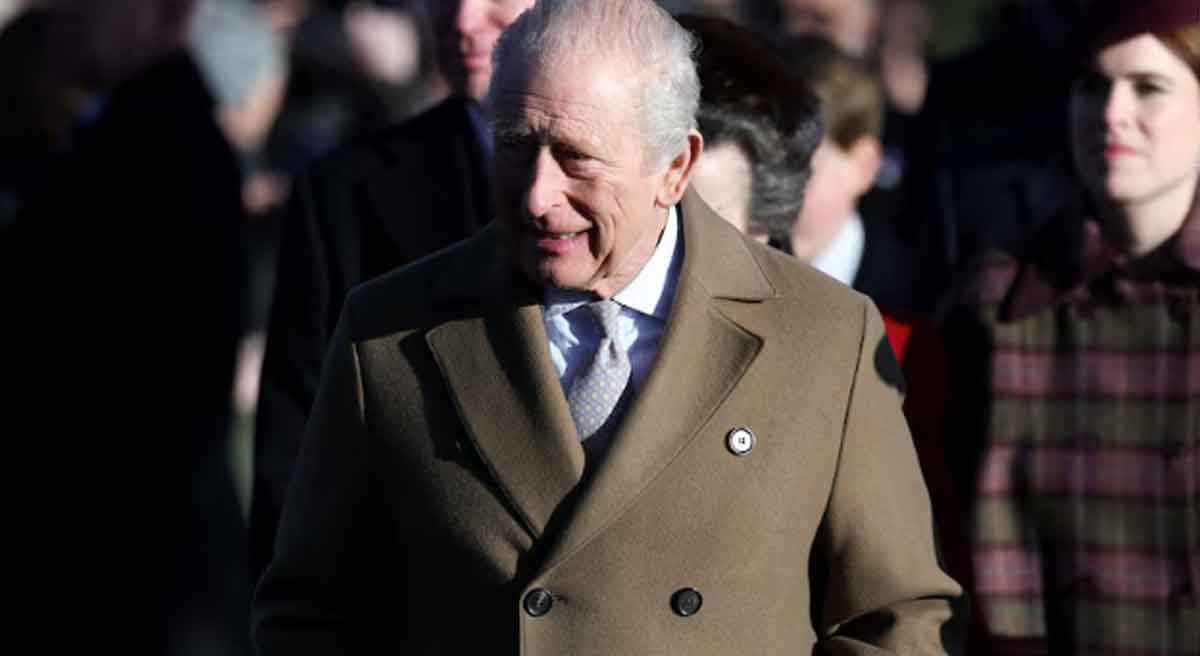
While Scotland battles the elements, the king himself is far from the blizzard. Reports confirm that King Charles III is currently staying at Sandringham in Norfolk, sheltered by a milder — though still wintry — climate. The decision is practical, even strategic. At 77, following a demanding year and ongoing health considerations, avoiding isolation and extreme cold is simply sensible. Sandringham allows the monarch to continue his duties without interruption, while remaining close to family and tradition.

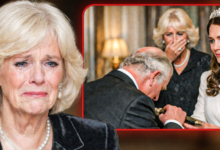


The contrast could not be sharper. Just days ago, the nation watched the king and Queen Camilla lead the royal family to church on Christmas morning, smiling and greeting crowds in crisp but calm weather. Those images of warmth and continuity now stand in stark opposition to the locked gates and storm alerts in Scotland. It is a vivid illustration of the duality of royal life: public ceremony on one hand, constant risk management behind the scenes.
The impact of Balmoral’s closure extends beyond palace walls. Nearby villages that depend on winter tourism are feeling the strain, reminded once again that Highland winters respect no titles. For the estate’s staff, public safety remains paramount. Ancient paths, historic buildings and winding roads become perilous under black ice and deep snow.
As the storm rages on, all eyes turn to Sunday’s forecast. Will the gates reopen, revealing a pristine snow-covered Balmoral? Or will nature demand more time? One thing is clear: this dramatic pause has reinforced a timeless truth — the monarchy may symbolize permanence, but it still lives at the mercy of the seasons.
And for now, the king waits in Norfolk, warm, watchful, and preparing for the year ahead.
 Hanni
Hanni