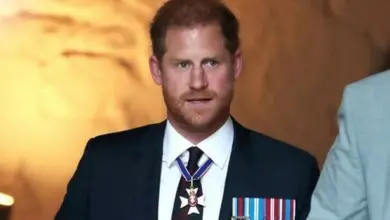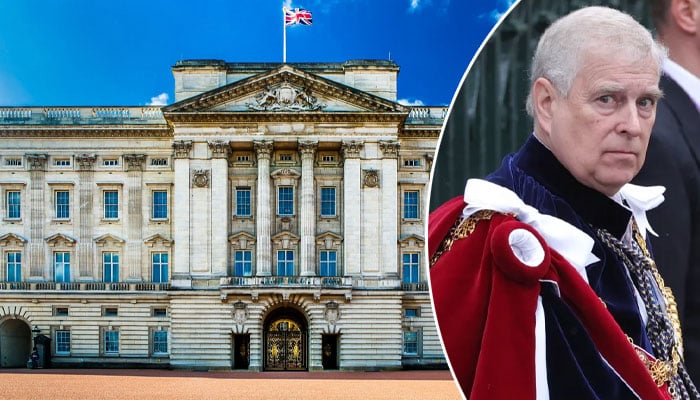
The unthinkable has finally happened. For the first time in modern history, police investigators have crossed into the inner sanctum of Buckingham Palace—not as ceremonial guards, but as detectives searching for evidence. The palace, long considered an untouchable fortress of royal privilege, has been breached. And with that single act, the illusion of absolute immunity has shattered.
At the center of the storm stands Andrew Mountbatten Windsor. Investigators quietly searched his former private office, seizing documents, digital records, and correspondence that had remained sealed for years. Sources say this was no fishing expedition. Detectives were reportedly focused on one explosive question: whether Andrew misused his royal position while serving as a UK trade envoy—and whether sensitive information was shared with Jeffrey Epstein.
What has stunned royal watchers most is not the search itself, but who allowed it. In a move sending shockwaves through the aristocracy, King Charles III is said to have fully backed police access to the palace. By doing so, the king effectively handed investigators the keys to his own home—and to his brother’s last refuge. The message could not be clearer: bloodline no longer guarantees protection.
This marks a sharp break from the era of Elizabeth II, who shielded Andrew for years, even after his disastrous 2019 BBC interview. But Charles, and especially Prince William, have reportedly seen Andrew as a liability threatening the monarchy’s survival in the modern age.



And this is only the beginning. A far greater reckoning looms with the planned release of nearly 100,000 classified government documents, approved under Prime Minister Keir Starmer. These files relate to Andrew’s decade as a trade representative and could reveal how royal access opened doors for wealthy figures with questionable backgrounds. In Parliament, minister Chris Bryant has already condemned Andrew’s tenure as self-serving and ethically reckless.
The fallout is now global. Australia has become the first Commonwealth realm to openly support removing Andrew from the line of succession, with Prime Minister Anthony Albanese warning that public patience has run out. Polls suggest more than 80% of Britons agree.
As King Charles battles serious health issues, the pressure to act has never been greater. Historians warn that silence could prove disastrous. The palace walls that once protected Andrew now resemble a cage, and the documents waiting to be revealed may hold the final verdict.
One question remains: when the last hiding place is gone, will the monarchy emerge renewed—or irrevocably damaged?
 Hanni
Hanni