In a world watching for cracks in the crown, Buckingham Palace delivered a masterclass in quiet strength. This year’s Remembrance Day was not merely another royal ceremony — it was a test of resilience, unity, and redemption beneath the weight of history.
The occasion arrived amid turbulence. Scandal still lingered around Prince Andrew’s fall from grace, and whispers about the monarchy’s stability swirled. Yet, when King Charles III and the senior royals stepped into the icy November air, the noise fell away. What remained was silence — profound, sacred, and deeply symbolic.
On November 9th, the Palace broke its own silence not with speeches or photos, but with poetry. Across the royal family’s official channels appeared a single, haunting stanza from Laurence Binyon’s legendary 1914 poem “For the Fallen.”
“They shall grow not old, as we that are left grow old.
Age shall not weary them, nor the years condemn.
At the going down of the sun and in the morning — we will remember them.”

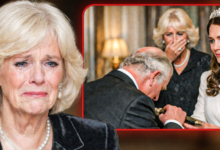
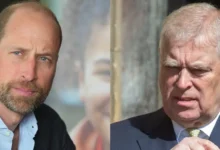

These words, written in the shadow of the First World War, rippled across generations. To millions of royal watchers, the post carried unexpected weight. It was not just remembrance — it was reassurance. A promise that duty endures, even when the family itself has been fractured.
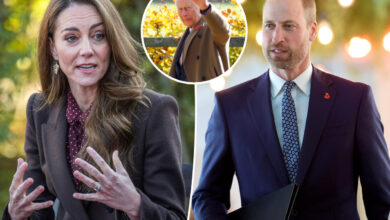
The Palace’s timing was impeccable. The simple act of sharing poetry before the main ceremony framed the weekend in reflection, shifting the narrative from scandal to service. For King Charles, who once served in both the Royal Navy and Royal Air Force, the message was personal. As he laid the wreath at the Cenotaph in Whitehall, flanked by Queen Camilla, Prince William, and Princess Catherine, his composure said more than any address ever could: The crown bends, but it does not break.
The contrast was striking — black coats against red poppies, silence against the echo of marching boots. For two minutes, London stood still. The sins of the past were momentarily washed away by shared grief and national pride. Even Prince Andrew’s absence, painful as it was, became part of the message. His empty place symbolized the monarchy’s willingness to sacrifice comfort for integrity.
Behind the scenes, palace strategists knew exactly what they were doing. In a digital age fueled by noise, they chose restraint. No hashtags. No slogans. Just verse — timeless, dignified, and human. It reminded the nation that remembrance is not an event, but a ritual; not a duty, but a vow.
For older Britons, the gesture struck at the heart. For younger audiences, it rekindled a rare sense of reverence for monarchy and military alike. In a single post, the firm managed to transform vulnerability into power.
And that is the genius of tradition. When the monarchy speaks through silence and poetry, it transcends scandal. It becomes not a family — but a symbol.
As the final poppy fell and the King’s head bowed beneath the November sky, one truth stood eternal: Time may erode reputations, but remembrance restores purpose.