Imagine living under the tightest security system in the world. Every journey planned in advance. Every door guarded. Every step logged by elite police officers trained to notice everything. Now imagine that same system suddenly falling silent at the exact moment it could prove your innocence in one of the most damaging scandals to ever shake the British monarchy.
That contradiction sits at the heart of Prince Andrew’s unraveling story.
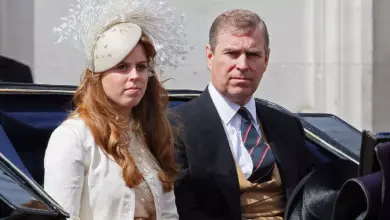
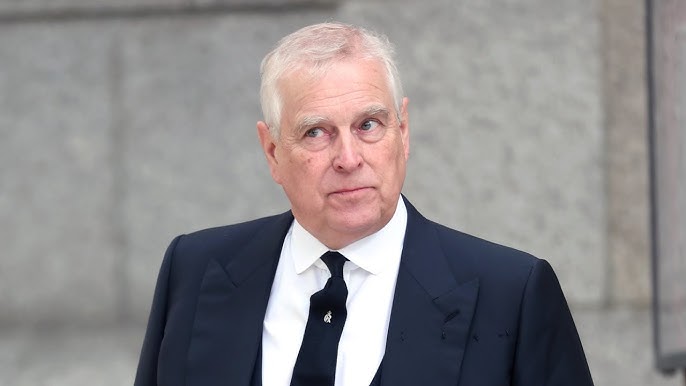
When the Duke of York attempted to defend himself during his infamous 2019 BBC interview, he leaned on what quickly became a national punchline: the Pizza Express in Woking. According to Andrew, he couldn’t possibly have been at a London nightclub in March 2001 because he was attending a children’s party with his daughter that evening. The claim went viral, but among security professionals, it raised a far more serious question — where was the proof?
That question has now returned with explosive force.

Dyfed “Dy” Davies, former head of royal protection and a senior Metropolitan Police commander, has spoken out — and his reaction is nothing short of devastating. Davies isn’t a tabloid commentator or armchair critic. He ran the very unit responsible for guarding Prince Andrew. He understands the protocols, the paperwork, the unbreakable rule that nothing a royal does goes undocumented.
And yet, not a single bodyguard. Not a single official log. Not one police diary has ever been produced to support Andrew’s alibi.
For Davies, this absence is not just strange — it’s appalling.
In professional protection, there is no such thing as privacy without witnesses. If a royal goes for pizza, the police are there. If a royal travels, there are records. Davies has made it clear: if those documents existed and supported Andrew’s story, they would have been used immediately. Their silence speaks volumes.
Even more troubling is Davies’ admission that, in hindsight, Andrew’s behavior should have raised alarms long before the scandal exploded. His constant travel, controversial friendships, and association with Jeffrey Epstein were all witnessed by officers trained to observe risk and report concerns.
So why didn’t they?
Was it a failure of the system — or a culture of looking the other way?
As King Charles continues to distance the monarchy from his brother, these unanswered questions grow louder. The missing testimony isn’t just a gap in an alibi. It’s a crack in the institution itself — and one that refuses to close.
Because when those sworn to protect the truth remain silent, the silence becomes the story.
 Hanni
Hanni