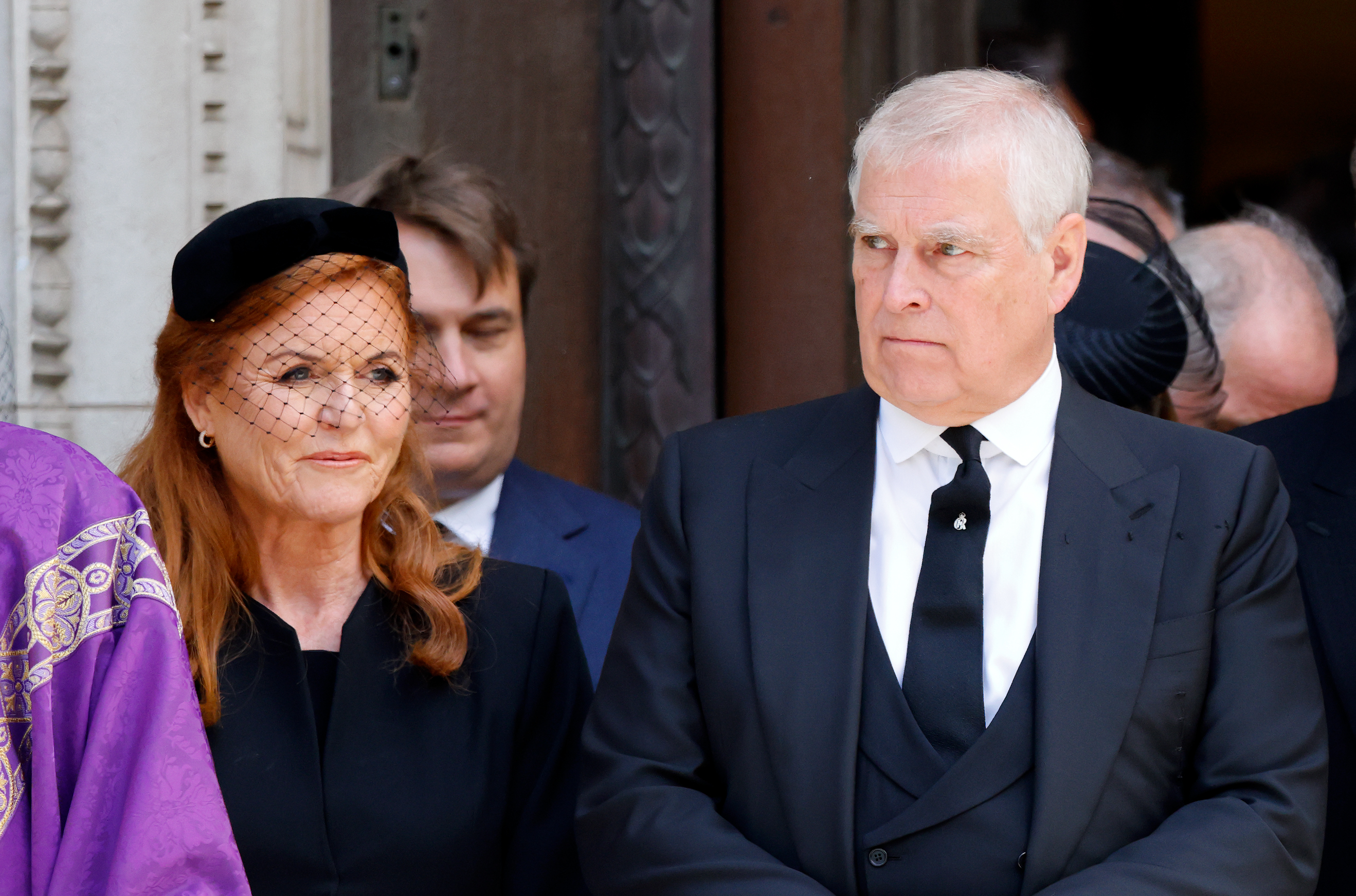
 Imagine this: handwritten letters from Queen Elizabeth II, meant for no eyes but her own. Private recordings never intended to leave the walls of Windsor. Jewels steeped in royal history, passed down through generations. Now imagine all of it quietly assessed for sale—because a disgraced prince is running out of money.
This is the explosive reality reportedly unfolding behind the locked doors of Royal Lodge, as Prince Andrew faces the most humiliating chapter of his downfall yet.
Once known as the Queen’s favorite son, Andrew now lives in isolation—stripped of his royal titles, cut off from official funding, and increasingly at odds with his own family. According to multiple insiders, the Duke of York is conducting a private inventory of valuables inside his 30-room residence, allegedly searching for items he can sell to secure his financial future.
And these are not ordinary possessions.
Sources claim the collection includes deeply personal letters from the late Queen, intimate photographs, rare memorabilia, and high-value jewelry—objects that carry immense emotional and historical weight. For royal watchers, the idea is almost unthinkable: pieces of the monarchy’s private world potentially appearing at auction houses or in the vaults of anonymous collectors.



The motivation, insiders say, is pure self-preservation.
Since his disastrous BBC interview and the multimillion-pound settlement that followed, Andrew’s income has evaporated. King Charles III, determined to modernize the monarchy and sever ties with past scandals, is reportedly pushing his brother to vacate Royal Lodge and move into more modest accommodation. The upkeep of the sprawling estate is astronomical—and Andrew’s resources are running dry.
But this alleged plan carries enormous risk.
Legal experts warn that many items inside Royal Lodge may not belong to Andrew personally at all. They could be part of the Royal Collection, technically owned by the Crown. If even one object linked to Queen Elizabeth II were to surface on the open market, the fallout would be immediate—and devastating. Palace lawyers are said to be on high alert, prepared to act the moment a sale is announced.
The potential damage goes far beyond money. A public auction of the Queen’s private correspondence would shatter the monarchy’s carefully guarded image of discretion and unity. It would signal not just a family rift—but a breakdown of the unspoken rules that have protected the institution for centuries.
Even more troubling is the suggestion that Sarah Ferguson, who still lives at Royal Lodge, may be involved in evaluating what could be sold. Critics describe the situation as a “royal pawn shop,” a phrase that perfectly captures the desperation now surrounding Andrew’s once-privileged life.
This is the final irony of Prince Andrew’s fall: a man born into unimaginable privilege, now contemplating the sale of his past to fund his future. A prince without a role, defending a crumbling fortress with memories that may never have truly been his to sell.
As King Charles weighs his next move, one question looms large: What is the price of a royal legacy—and who has the right to cash it in?
The battle over Royal Lodge is no longer just about property. It is a fight for history, dignity, and the final remnants of a life once lived at the very heart of the Crown.