Behind the polished smiles, ceremonial uniforms, and gilded palace gates, a far darker story is now forcing its way into the open. For decades, the British monarchy has projected restraint, dignity, and tradition. But according to explosive new testimony, one senior royal allegedly ruled his private world not with grace, but with fear, intimidation, and entitlement.
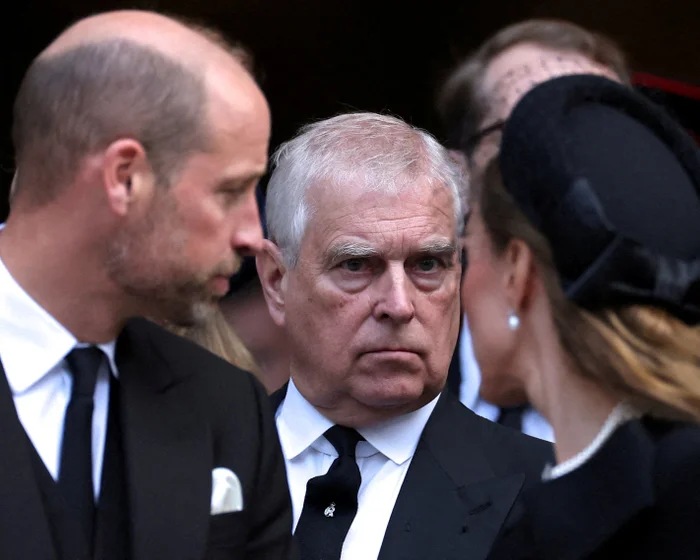
Prince Andrew, once hailed as a war hero and long considered the late Queen Elizabeth II’s favored son, is again at the center of a storm. This time, however, the controversy does not focus on courtrooms or international scandals—but on what allegedly happened behind closed doors, in the quiet corridors of royal residences where staff were expected to serve silently.
A newly released book by respected royal biographer Andrew Lownie, The Rise and Fall of the House of York, draws from hundreds of interviews and previously unpublished accounts. Together, they paint a deeply unsettling portrait of palace life under the Duke of York. Former employees describe an atmosphere thick with anxiety, where new staff were allegedly warned on their first day to avoid him altogether. “Everyone knew,” one source recalls. “But nothing was ever done.”
According to these accounts, Prince Andrew treated staff less like professionals and more like disposable extensions of his will. Commands were reportedly barked, not requested. His most infamous phrase—“Do it. Now.”—became shorthand for a leadership style rooted in domination rather than respect. Complaints, staff say, felt impossible. Speaking out against a prince did not just risk a job—it could end a career.



Some of the most disturbing details come from Wendy Berry, a former housekeeper within royal circles. Her recollections strip away any remaining illusion of refinement. She describes repeatedly entering Andrew’s bedroom to find soiled tissues left scattered beside the bed—an expectation, she suggests, that others would simply clean up the mess without question. To many readers, this detail has become a symbol of something far larger: a mindset where privilege erased basic human consideration.
Another former royal aide, Colin Burgess, offers chilling confirmation. He recalls being spoken to “like a subordinate in the military,” but without the mutual respect that leadership demands. His final assessment is blunt and devastating: “He wasn’t a particularly nice person.”
Why does this matter now? Because King Charles III is attempting to reshape the monarchy into a slimmer, more accountable institution. And yet, Prince Andrew remains at Royal Lodge, a sprawling estate maintained at enormous cost, despite mounting public outrage. These revelations intensify the question many are now asking: how long can the monarchy carry the weight of past silence?
For an institution built on duty and service, these allegations strike at its moral core. The story of Prince Andrew is no longer just about scandal—it is about accountability, power, and what happens when privilege goes unchecked for too long. And as this chapter continues to unfold, one truth is becoming impossible to ignore: the most damaging secrets are often the ones hidden in plain sight.