Prince Andrew has finally been seen behind the gates of what insiders are already calling his house of exile — a moment that signals the unmistakable end of his life at the heart of royal power. This was never just a change of address. It was the physical execution of a king’s decision and the closing of a chapter that has weighed heavily on the British monarchy for years.
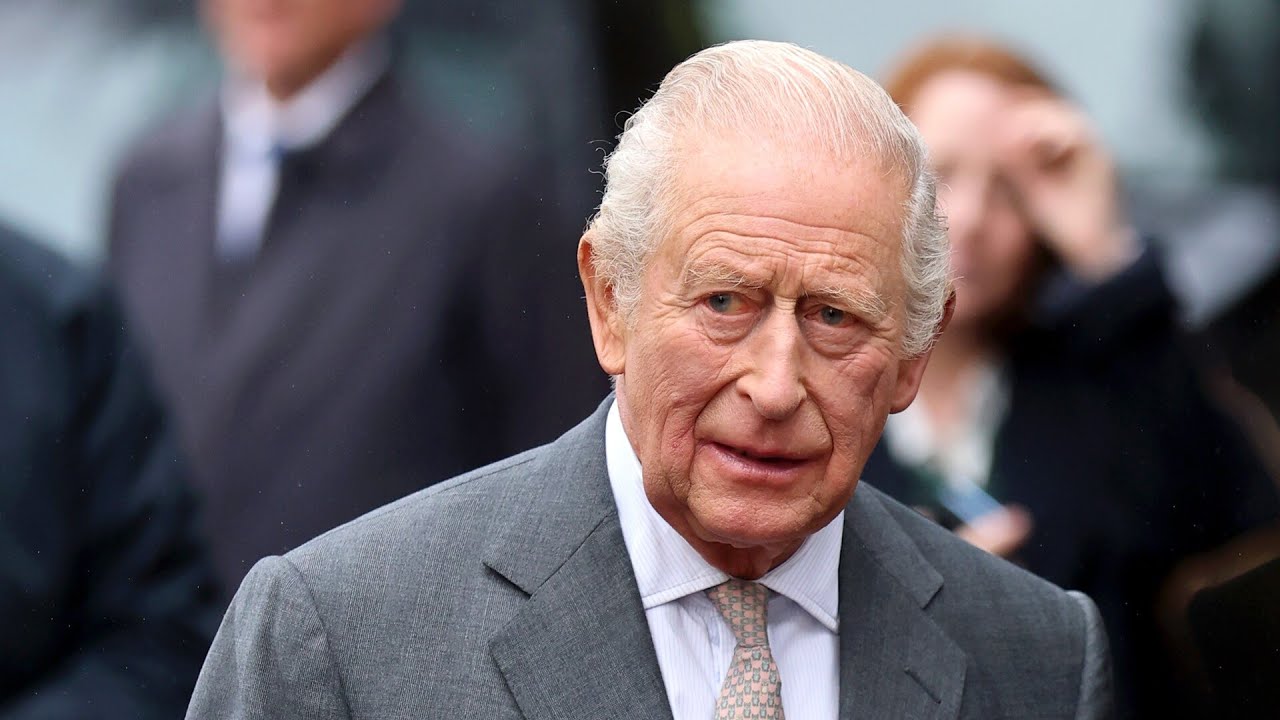
Once a favored son of Queen Elizabeth II, Andrew now faces the firm, unsentimental authority of his brother, King Charles III. The image alone is striking: the Duke of York, who spent two decades in the 30-room grandeur of Royal Lodge in Windsor, now inspecting windows and measuring curtains inside a modest five-bedroom farmhouse on the Sandringham estate. A decade ago, such a scene would have been unthinkable.
For months, Andrew resisted leaving Royal Lodge, clinging to the 75-year lease he signed in 2003 and to the belief that his birthright guaranteed certain privileges. But the king’s patience ran out. By withdrawing privately funded security — reportedly costing around £3 million a year — and making clear that the upkeep of Royal Lodge would no longer be supported, Charles delivered a quiet but devastating message: the old protections were gone.
Royal Lodge was more than a home. It was a symbol. Once occupied by the Queen Mother, it represented continuity, prestige, and proximity to power. Andrew poured millions into renovating it, not just to live comfortably, but to signal that he still belonged at the center of royal life. Leaving it behind means abandoning not only a residence, but an identity.



Marsh Farm, his new home, tells a very different story. While luxurious by ordinary standards, it marks a clear demotion in royal terms. Isolated, close to a public road, and far from the political and social gravity of Windsor, it offers little privacy and even less symbolism. Here, every arrival, every departure, risks being watched. For a man who has lived for years shielded by walls, gates, and silence, the exposure may prove unsettling.
Locals have been blunt. “Even this is too good for him,” one resident remarked. The comment reflects a wider public mood: frustration that exile, even now, remains comfortable. Yet for the monarchy, the move is calculated. Sandringham is privately owned by the king, allowing Charles to remove Andrew from Crown Estate properties — and from public scrutiny over costs — entirely.
This relocation is not just about Andrew. It is about the monarchy redefining itself. King Charles is drawing a hard line between service and privilege, signaling that royal status without public duty no longer guarantees grandeur.
The Duke of York’s fall has been slow, public, and deeply symbolic. From palace halls to a farmhouse by the road, his journey is a reminder that even princes can be moved aside when the crown decides it must survive — and move on.