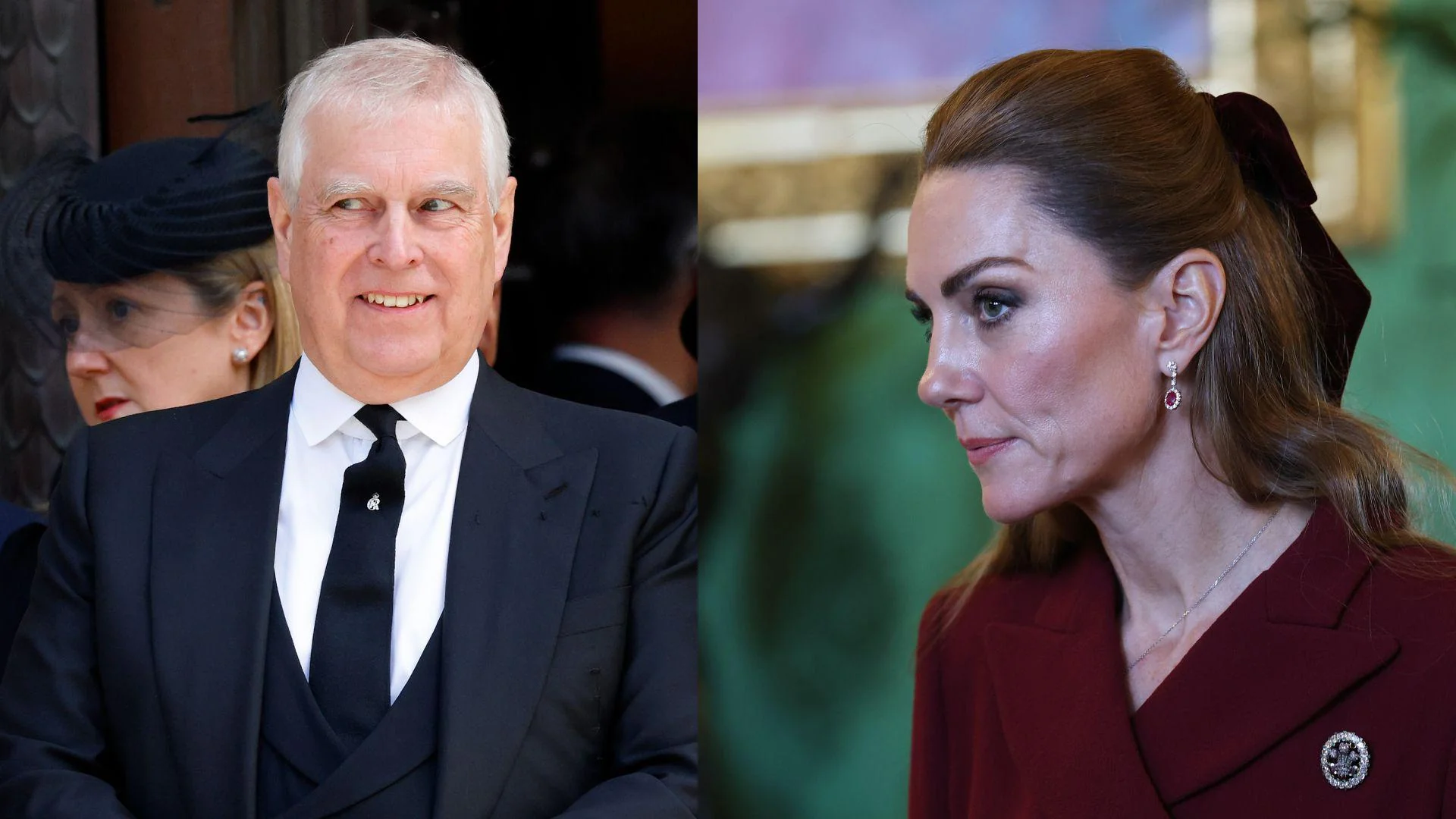
“Kate has agreed to a deal in London.”
Buried deep inside a newly unsealed set of U.S. Department of Justice documents, this single sentence—written in a 2010 email by Prince Andrew to Jeffrey Epstein—has detonated into what many are calling the most destabilizing royal controversy since the death of Queen Elizabeth II. Not because of what it proves, but because of what it suggests.
For decades, the British monarchy has survived on an image of continuity, dignity, and restraint. Today, that image is under severe strain. The resurfacing of Epstein-related files has reopened old wounds surrounding Prince Andrew’s disgraced past, but this time, the fallout reaches dangerously close to the future of the crown itself.
The email in question dates back to December 2010—just weeks after the world celebrated Prince William’s engagement to Catherine Middleton. Seeing the name “Kate” appear in correspondence between a senior royal and a man whose name is synonymous with exploitation has triggered a public relations nightmare of the highest order.


Crucially, the email provides no context. There is no surname. No explanation. No confirmation that the “Kate” mentioned is, in fact, Catherine, Princess of Wales. Sky News, which first reported on the email, was clear: it is impossible to definitively identify the person referred to. But in the modern media ecosystem, ambiguity is combustible—and critics are already exploiting it.
For Catherine, a figure widely admired for her discretion, resilience, and sense of duty—especially during recent health challenges—this is a deeply toxic association. Not because of any action on her part, but because of proximity alone.
What has intensified the outrage is how Andrew signed off the email: “Wish I was still a pet in your family.” The phrase has chilled observers, reinforcing perceptions of an unsettling closeness between the Duke of York and Epstein—long after Epstein’s criminal conviction.
Inside palace walls, anger is said to be simmering. Sources close to Prince William suggest he is furious. For years, he has worked to insulate his wife and children from Andrew’s scandals, reportedly viewing his uncle’s lingering royal presence as a ticking time bomb. This revelation may have finally set it off.
The fallout doesn’t end there. The Epstein files have also cast a harsh light on Sarah Ferguson, with allegations that she once took her daughters, Beatrice and Eugenie, to lunch with Epstein shortly after his release from prison. While unproven, the claims have reignited fierce debate about judgment, responsibility, and the lasting emotional cost to the York sisters.
Prince Andrew continues to deny all wrongdoing. Yet public opinion is unforgiving, and the monarchy now faces a stark choice. For King Charles III, the dilemma is brutal: protect family—or protect the crown.
One thing is certain. In the age of digital permanence, even a single unexplained sentence can shake a thousand-year-old institution to its core.
And the questions are only just beginning.
 Hanni
Hanni